

Key Takeaways
- Create a clear physical and electronic end-of-day plan to help distinguish work time and private time.
- Don’t wear professional attire; use tactile cues to decompress mentally.
- Relieve cortisol levels as soon as possible with box breathing, soaking in hydrotherapy, or taking a brisk walk outdoors.
- Discourage evening activities like watching screens or exercising when it is too intense to impact the circadian rhythm and quality of sleep.
- Do low-key hobbies or expressive journalling to dissipate any cognitive “Resistance”.
Intro
Working life today is a huge drain on our mental and physical capacities. The modern workday extends beyond the work desk, from back-to-back virtual meetings to full inboxes and deadlines quickly approaching (and work notifications at night!).
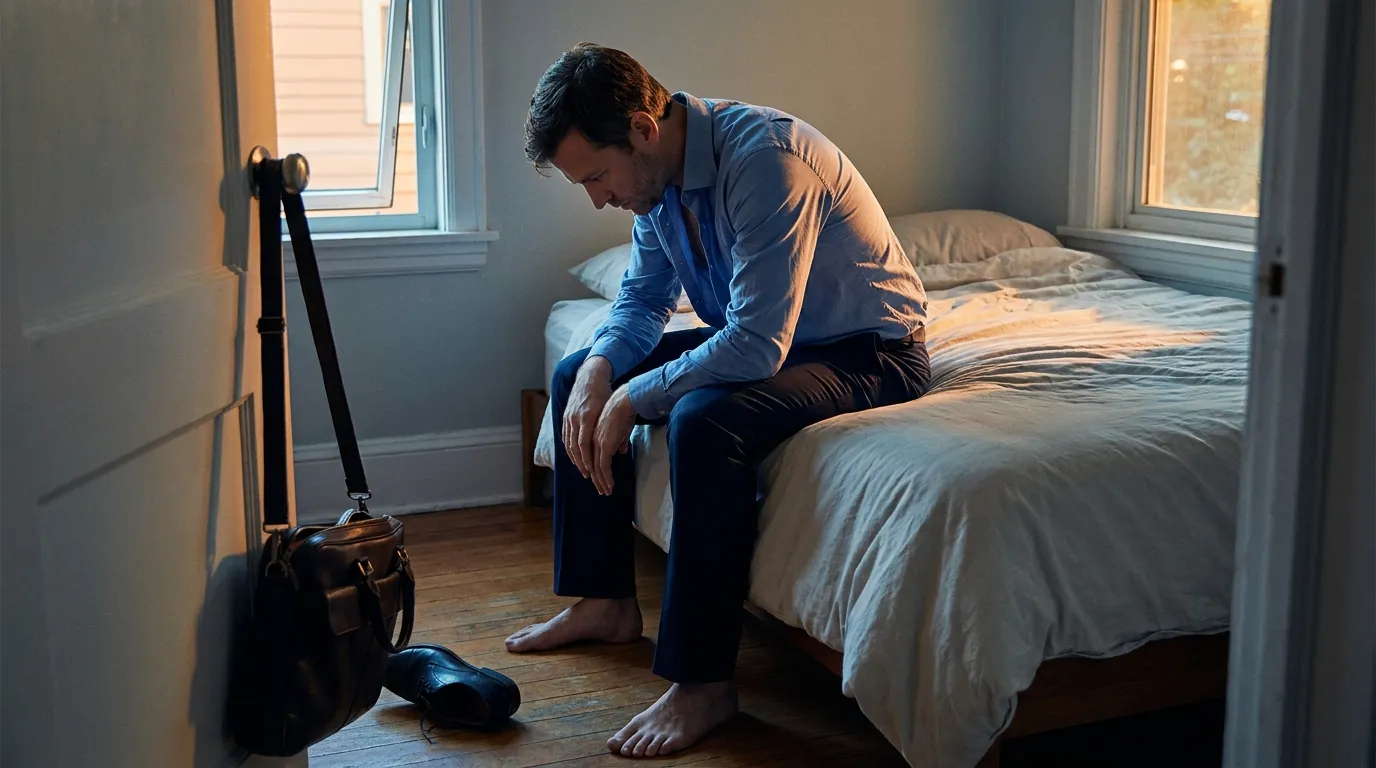
At the end of the day, when the time is 5:00, the transition from “work mode” to “relaxation mode” is not always instinctive. Rather, many of us simply bring the stress, tension, and mental fatigue of the day home with us in the living room, at the dinner table, and in bed.
The Science of Post-Work Stress (Why You Can’t Just “Turn It Off”)
Understanding what’s occurring within your brain and body can be beneficial for managing stress in the aftermath of a long day at work. During stressful events, challenging customers, crises, or work overload, the autonomic nervous system triggers the sympathetic nervous system (the “fight-or-flight” mechanism).
The Hormonal Cocktail of the Workday: Won’t Any Chocolate and Coffee Be Enough?
In this stress reaction, your Hypothalamus messages your adrenal glands to release potent hormones into your bloodstream:
- Cortisol: The main stress hormone in the body that raises blood sugar and changes immune function to allow the body to respond to its immediate stresses.
- Adrenaline: Raises heart rate, blood pressure, and energy supply.
- Norepinephrine (NE): Causes blood vessels to constrict and become more alert, ready for action.
This is a natural process that’s an adaptation for survival, but it can be destructive if it stays activated for eight to 10 hours a day, five days a week. Your brain will experience the work tasks as continuous threats if you go straight from the work tasks to doing housework, reading the news (which can be stressful), and worrying about tomorrow’s presentation. As a result, your cortisol levels are up.
The Dangers of Chronic Carryover Stress
In this blog article, I am going to talk about the Dangers of Chronic Carryover Stress. Your body not switching from the Sympathetic to the Parasympathetic Nervous System (“rest & digest”) leads to several undesirable health effects:
- Sleep Disruption: Both an increase in Cortisol in the evening and Sleep Disruption can affect your circadian rhythm, as the increased cortisol levels make it harder to fall asleep and harder to stay asleep, which in turn increases stress levels.
- Cognitive Impairment: Chronic fatigue impairs working memory and the ability to regulate emotion and make decisions.
- Physical Ailments: Ongoing muscle tension can cause continuous headaches, a stiff neck, bruxism (teeth grinding), and gastrointestinal problems.
- Relationship Strain: Emotional exhaustion can lead to an irritable, impatient, and emotionally withdrawn spouse, children, or friends.
The first step to reclaiming your evenings is to realise that there needs to be an intentional, clear signal from your body that it’s time to switch off.
Routine of How to End Work
A very frequent error by professionals is that they believe the end of work is an instant, with no transition period. But your laptop gets closed at 5:00 PM, and your mind instantly switches to petting argument hotspots or checking your email on your mobile phone; your brain is still in high-alert productivity work mode. A psychological and physical buffer zone is needed.
1. Normal Digital/Physical Shutdown
Creating a ritual at the end of your day, whether you are working from home or going to some corporate office, gives it a hard end, a finite boundary between what you have to do and what you have to do.
- Clean your workspace: If you work at home, put away your laptop, notebook, and other books and organise your workspace. When your work area is cluttered, it tempts work thoughts to creep into your unwinding night-time world.
- Brain Dump Journal: Have a notebook on your desk with what you need to get done. List all loose ends, unfinished tasks, and things that will cause worry. Putting these bubbles on paper is one way to let your subconscious mind know them to “take care” and that your conscious mind now “has” them.
- Plan Tomorrow’s Top Three: List 3 most important things to do tomorrow. This means there need never be any worry or concern about forgetting important tasks overnight.
2. Redefining the Commute
If you spend a lot of time on your commute, it’s important that you don’t necessarily spend that time working through phone calls or worrying about emails. Instead, turn your commute into a decompression chamber:
- Curate Your Audio Environment: Do not listen to high-pitched news reports, political discussions, or business podcasts that move quickly. Instead, listen to soothing instrumental music, an engaging fiction audiobook, or an inspiring mindfulness podcast.
- Sensory Grounding: Identify three items that you can see outside the window, two items you can feel (steering wheel or feel of coat), and the routine action of your breath. This will help you stay in the now.
Immediate Physiological Relief
Upon return home or end of a remote workday, the body requires quick-acting physical treatments to slow down the heart and relax muscles, as a reaction to the arrival of the physical.
Changing Clothes
It’s an incredibly effective psychological trick or tip. Your clothes are your armour—the long sleeves, tight-fitting trousers, button-down or office shoes you wear during the workday. As soon as you come into your house:
- Remove full work clothes.
- Wear comfortable loungewear, soft cotton jogging bottoms or breathable athletic wear.
The Psychological Cue: Soft fabric against your skin is immediately a signal directly to your nervous system that the demands of the job have gone away.
Box Breathing to Control Your Breathing
In times of stress, people usually breathe shallowly in the upper chest, reinforcing the fight-or-flight response. Diaphragmatic breathing activates the vagus nerve (parasympathetic nervous system), which has a quick effect on lowering blood pressure.
Box Breathing Practice Instructions:
- Breathe in: SLOWLY breathe in through your nose into your belly for 4 counts.
- Hold: Inhale and/or exhale fully and then pause with a comfortable hold for a count of 4.
- Exhale: Slowly and fully blow out of the mouth to the count of 4.
- Hold: Continue with empty lungs for a count of 4.
Perform the cycle for 5 minutes—an instant relaxation in the body.
Hydrotherapy—Washing Away the Day
No wonder water is a tremendous washing agent for human psychology. Soak in warm water in a bath or shower as soon as you get home from work, to ease tense muscles and remove the dirt and grime from the day.
For a simple re-stim, pour on ice-cold water. This activates the mammalian dive reflex – putting your mind in racing mode and slowing your heart rate immediately.
Filling up Mind and Body: Evening
When your nervous system is stable, the next priority should be to restore your body and fill it up.
1. Intentional Physical Movement
Exercise is one of the best surefire ways to burn off stress hormones and release endorphins. But, about the type of exercise you are looking for, it needs to depend upon the amount of energy you have:
- When you are physically drained and mentally exhausted: Take a short (20-minute) walk outside, try yin yoga, or sit in deep stretching exercises (static stretching). In green spaces (nature immersion), cortisol levels have been scientifically shown to be reduced to a high degree.
- When you feel pent up, frustrated, and on the verge of nervous energy: Get a hard workout, long run, swim, or some heavy weightlifting. This will help to burn off excess adrenaline and clear the brain fog.
2. Drawing up a Digital Curfew
Our mobile phones and laptops are infinite sources of stimulation in an age of electronics. A frenzied evening of scrolling through social media feeds, reading fresh news, or ploughing through work emails keeps the brain in an active processing loop.
- Schedule a tech going-to-bed time on your mobile phone (8:00 PM is a good example).
- Switch your phone OFF when you are with family or engaging in wind-down activities and put it in another room or into a drawer.
- Replace screen time with activities that involve a low sensory input, like reading a book, journalling, sketching, or listening to a vinyl record.
3. Mindful Nutrition and Hydration
Comfort foods fall into a few common categories when they’re serving a self-soothing purpose: refined sugars, alcohol, or heavy fats. These may help provide a little short-term relief, but over time they unbalance blood sugar levels, which is not good in the long term, and also not a good way to get a good night’s sleep!
- Hydrate Correctly: When you’re done with work, take a big glass of water or a calming herbal tea, like chamomile, passionflower, or lemon balm, to soothe you. Dehydration often causes feelings of fatigue, irritability, and brain fog.
- Dine Light and Early: Have your evening meal at least 2-3 hours before going to bed. High-fat foods overload the digestive system while you sleep, interfering with a good night’s rest and causing morning dizziness.
Mental Decompression/Emotional Release
Physical relaxation is not sufficient – it’s only half. Without this peace of mind, it’s difficult to genuinely rest from a long day, even if your conscious mind is replaying the stressful discussion with your boss, or letting you know all of the things you need to do tomorrow.
1. Expressive Journalling and Emotional Processing
Writing is a wonderful way of letting out the inner pressure and “noise” from your mind. When you feel like your mind is cluttered, switch up some of the following journals for these special techniques:
- Complete Brain dump: Do a 10-minute non edited/drafted/filtered writing. Write all thoughts, complaints, worries, and ideas down on paper. Your brain is free to forget it once it’s recorded.
- Worry Fence: Set your worries down on paper and draw a fence around them. Remind yourself, “These are great problems, but they can be addressed during the morning when I wake up at 9:00 AM.”
- The Gratitude Shift: Practise shifting your attention towards the positive by listing 3 small things on your ‘gratitude sheet’ you felt good, supported, or relieved about today. This reorganises brain connections to search for positive experiences instead of a constant threat.
2. Low-Stakes, Flow-State Hobbies
The human brain loves to be deeply involved in an enjoyable task that does not interest us economically, does not measure us, has no stake or payoff, and no deadlines. This can help you achieve the state of flow without being pressured.
- Whenever you are cooking or baking a complex recipe simply for the enjoyment.
- Working with plants inside and out.
- Playing an instrument or singing.
- Visual Arts (paint, potter).
- Model building, knitting, working on handcrafts.
Creating a Tranquil and Calming Space for the Evening
The physical environment you are in affects your mental health, and this impact is instinctive and potent. Your nervous system will have difficulty relaxing if your home is cluttered, brightly lit, and loud.
1. Master Your Lighting
Bright, cool, overhead fluorescent lights can fool your biological clock by making it think that the sun is still high—particularly artificial lighting indoors. This interferes with the production of melatonin—a hormone that helps you get a good, restful night’s sleep.
- At night, turn off bright overhead lights.
- Turn on warm table lamps, floor lamps, house lights, or light candles. Making your lights warm and soft indicates to your circadian system that it’s time to calm down.
2. Utilise Aromatherapy
Humans have a directly related limbic brain (the emotional and memory centre of the brain) to their bulb. Actively using certain fragrances can help you become more soothed both physiologically and psychologically, and can help you wind down more quickly at night:
- Lavender: Clinically verified to chill out, decrease heart rate, and deliver deep rest.
- Cedarwood: Earthy, grounding fragrance which calms wayward thoughts.
- Bergamot: Has an uplifting effect on emotional well-being, alleviating tension without inducing drowsiness.
Set up a cool mist essential oil diffuser in your wind-down room, whether it’s your living room or bedroom.
Your Own Custom After-Work Regime
If you’re trying to make ten new habits at once, then you’re never going to be able to pull it off. Rather, create your very own wind-down routine over time in a planned manner. Pick three easy, high-impact steps from this guide and pledge to do three steps over the next 2 weeks.
For example, this is what your 20 minutes of after-work anchors look like:
| Time | Action |
|---|---|
| Minute 1 to 5 | Quickly change out of work clothes and wash face with cool water. |
| Minute 5 to 15 | Mindful breathing using box breathing technique, have a warm herbal tea. |
| Minute 15 to 20 | Make a list of the three most important things you’ll need to do tomorrow, and shut your work computer down 100%. |
As these basic routines become a habit, you can incorporate more restorative activities, like a walk in the evening, a digital curfew, or creative pastimes such as painting or knitting.
Summary Checklist of a Perfect Evening Transition
To ensure implementation is as smooth as possible, have this handy “quick reference list” at the end of the day at work:
- Physical Boundary: Start to write down tomorrow’s most important tasks, tidy the worktop and workplace.
- Tactile Shift: Change out of work attire and into casual loungewear.
- When feeling stressed: Do 5 minutes of box breathing or wash face with cool water.
- Digital Boundary: Set phone ‘Do Not Disturb’ for work applications or have a definite tech time-out.
- Restorative Movement: Do a short relaxed walk or gentle stretching.
- Mental Release: Brain-dump journal or try Evening Gratitude.
- Environmental Prep: Turn off bright overhead lights or turn on warm lamps or diffusers.
Summary
Taking steps to cope with a stressful day after your job is crucial for your health, relationships, and career longevity. The mind and body cannot function at their peak, let alone creatively or in a relaxed and emotionally balanced way, if it’s not given adequate time to recuperate.
When you make firm boundaries between work and home, physiologically undo the compression of yourself, and create a calm evening space for your family at home, you get back your evenings from the chronic stress of the world. Note: Rest doesn’t need to be earned; it is a biological necessity for a flourishing life.