

Key Takeaways
- Set a clear total and daily budget before you go. Breaking your trip budget into categories and daily limits helps you stay on track and avoid overspending early in the trip.
- Plan your route and petrol stops strategically. Choosing an efficient route and tracking fuel prices along the way can meaningfully reduce one of the biggest road trip expenses.
- Mix up your lodging and food choices. Combining camping, budget motels, and self-prepared meals with the occasional splurge keeps costs manageable without sacrificing the whole trip experience.
- Prioritise free and low-cost activities. Parks, hiking trails, and free museum days let you experience a destination fully without a large activity budget.
- Prepare your vehicle and pack an emergency kit. A pre-trip inspection and basic emergency supplies help you avoid costly, unexpected repairs or breakdowns on the road.
Intro
A road trip doesn’t have to drain your savings to be memorable. With a bit of planning, some flexibility, and a few smart money-saving strategies, you can explore new places, create lasting memories, and still stick to a tight budget.
Why Road Trips Are One of the Most Budget-Friendly Ways to Travel
Compared to flying, road trips give you far more control over your spending.
You can choose your own pace, pack your own food, skip expensive tourist traps, and adjust your route on the fly if you find a cheaper detour or a free attraction along the way.
The flexibility itself is what makes road trips such a budget-friendly travel option as long as you plan to avoid the common costs that quietly add up.
Step 1: Set a Realistic Overall Budget
Break Down Your Major Expense Categories
Before booking anything, outline roughly how much you’re able to spend in each category:
- Petrol and fuel
- Lodging / Accommodation
- Food
- Activities and entrance fees
- Vehicle maintenance or emergency costs
- Miscellaneous (tolls, parking, souvenirs)
Decide on a Daily Spending Limit
Once you know your total budget, divide it across the number of days you’ll be travelling. This gives you a daily spending target to check against as you go, helping you avoid overspending early in the trip and running short later.
Build in a Buffer for the Unexpected
Set aside 10–15% of your total budget for unplanned expenses: a flat tyre, an unexpected toll road, or a detour due to road closures. Having this cushion prevents small surprises from derailing your entire budget.
Step 2: Plan a Cost-Efficient Route
Choose a Route Based on Distance and Fuel Efficiency
Longer routes mean more petrol, more wear on your vehicle, and more time on the road. Mapping out the most direct route unless a scenic detour is genuinely worth the extra cost helps keep fuel expenses under control.
Time Your Trip to Avoid Peak Season Pricing
Travelling during shoulder seasons (just before or after peak tourist season) often means:
- Lower lodging rates
- Fewer crowds at attractions
- More flexibility with reservations
Use Free Route-Planning Tools
Several free apps and websites allow you to map your route, estimate petrol costs based on your vehicle’s fuel efficiency, and identify cheap petrol stations along the way. Taking ten minutes to plan this can save a meaningful amount over a multi-day trip.
Step 3: Cut Down on Petrol Costs
Track Fuel Prices Along Your Route
Petrol prices can vary significantly from one town or state to another. Checking prices ahead of time and filling up in lower-cost areas when possible adds up to real savings over a long trip.
Drive Efficiently
- Maintain a steady speed rather than frequent acceleration and braking.
- Keep tyres properly inflated to improve fuel efficiency.
- Avoid unnecessary idling.
- Remove excess weight from the vehicle when possible.
Consider Carpooling or Splitting Petrol Costs
If you’re travelling with friends or family, splitting fuel costs evenly makes the trip more affordable for everyone and can significantly reduce your individual share of the expense.
Step 4: Find Affordable Lodging
Mix Up Your Accommodation Types
Rather than booking a hotel every night, consider a mix of lower-cost lodging options:
- Camping is one of the cheapest options, especially at public or state campsites.
- Budget motels are often significantly cheaper than name-brand hotels.
- Vacation rentals split among a group can be more affordable per person for larger groups.
- Staying with friends or family along your route, if possible.
Book in Advance When Rates Are Lower
Prices for lodging often increase closer to the date, especially during busy travel seasons. Booking a few weeks ahead can lock in better rates.
Use Rewards Programmes and Discount Codes
Many hotel chains and campsites offer loyalty programmes, motoring organisation discounts, or membership deals that can meaningfully lower your total lodging cost over a multi-night trip.
Consider Overnight Driving for Very Tight Budgets
For extremely budget-conscious trips, some travellers choose to drive through the night in shifts (if travelling with others) to skip a night of lodging altogether, though this should only be done safely and with enough rest beforehand.
Step 5: Save on Food and Snacks
Pack a Cooler and Snacks Before You Leave
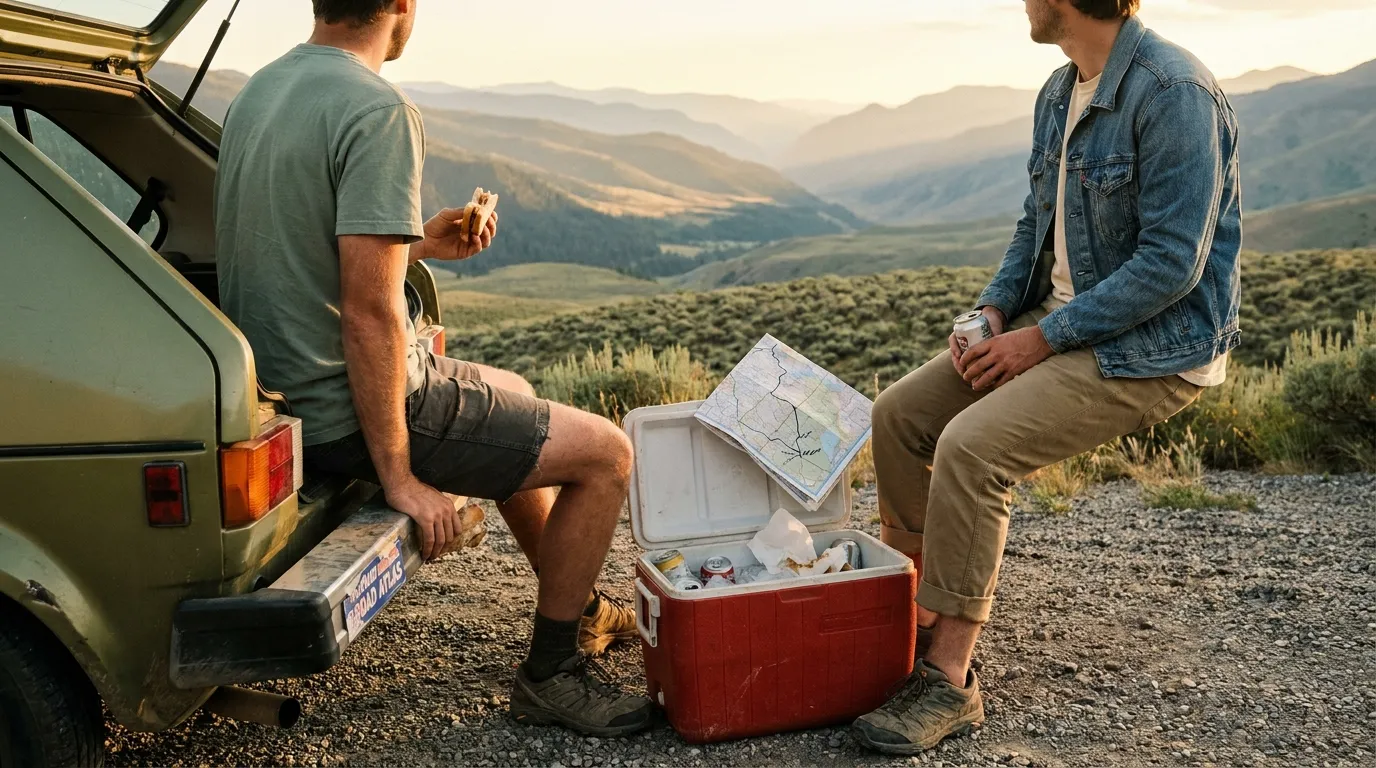
Buying food at petrol stations and roadside restaurants adds up quickly. Packing a cooler with sandwiches, fruit, snacks, and drinks before you leave can cut your food budget significantly.
Grocery Shop Instead of Eating Out Every Meal
When staying somewhere with a kitchen or kitchenette, stock up at a local supermarket rather than eating out for every meal. Even preparing just breakfast and lunch yourself, while treating dinner as your “eating out” meal, can cut costs substantially.
Look for Local, Affordable Eats
- Search for local diners or food trucks instead of chain restaurants.
- Check daily specials or lunch menus, which are often cheaper than dinner pricing.
- Split larger portions with a travel companion when possible.
Stay Hydrated Without Overspending
Bring a reusable water bottle and refill it rather than repeatedly buying bottled drinks, which can be a surprisingly large hidden expense over a multi-day trip.
Step 6: Find Free and Low-Cost Activities
Research Free Attractions Along Your Route
Many destinations offer completely free experiences, such as:
- Public parks and hiking trails
- Scenic overlooks and viewpoints
- Free museum days (many museums offer free entry on specific days each month)
- Historic city centres and walkable neighbourhoods
- Free walking tours offered in many cities
Look for City or State Tourism Discount Passes
Some cities offer discount passes that bundle several attractions together at a reduced rate compared to paying for each one individually.
Prioritise a Few “Splurge” Activities
Rather than trying to do everything, choose one or two experiences that matter most to you and are worth the cost, and fill the rest of your itinerary with free or low-cost alternatives.
Step 7: Prepare Your Vehicle to Avoid Unexpected Costs
Get a Pre-Trip Inspection
Before heading out, have your vehicle checked for:
- Oil level and tyre pressure
- Brake condition
- Battery health
- Fluid levels (coolant, brake fluid, windscreen washer fluid)
Catching a small issue before your trip is far cheaper than dealing with a breakdown on the road.
Pack an Emergency Kit
A basic emergency kit can save you from costly towing or last-minute purchases, and should include:
- A spare tyre and jack
- Jump leads
- A torch
- Basic tools
- A first aid kit
- Extra water and non-perishable snacks
Consider Roadside Assistance Coverage
If you don’t already have roadside assistance through your insurance or a membership programme, it may be worth the relatively low cost as protection against a much larger unexpected repair or towing bill.
Step 8: Use Smart Money-Saving Tools and Apps
Track Your Spending in Real Time
Using a simple budgeting app or even a basic spreadsheet to track expenses as you go helps you stay aware of how close you are to your daily limit, so you can adjust before overspending becomes a problem.
Take Advantage of Cash-Back and Rewards Apps
Some apps offer cash back on petrol, groceries, or hotel bookings, which can add up to meaningful savings over the course of a longer trip.
Compare Prices Before Booking
Whether it’s lodging, campsites, or activities, comparing a few options before booking rather than choosing the first result often reveals a more affordable alternative nearby.
Step 9: Travel With a Flexible Mindset
Be Willing to Adjust Your Itinerary
Sometimes the most budget-friendly choice is also the most spontaneous one: a free local event you stumble upon, or a cheaper campsite a little further down the road. Staying flexible allows you to take advantage of these opportunities as they come up.
Focus on Experiences, Not Souvenirs
Photos, memories, and shared experiences with travel companions tend to be far more meaningful long-term than souvenirs, which can quietly eat into your budget if you’re not intentional about them.
Set a “No Spend” Day or Two
If your trip spans several days, consider planning at least one day with no major expenses a day built around free hikes, scenic drives, or simply relaxing at your accommodation. This helps balance out any higher-spending days elsewhere in the trip.
Sample Budget Road Trip Checklist
- Set a total trip budget and daily spending limit.
- Map out the most efficient route.
- Track petrol prices along the way.
- Book budget-friendly lodging in advance.
- Pack a cooler with snacks and simple meals.
- Research free attractions at each stop.
- Get a pre-trip vehicle inspection.
- Pack an emergency kit.
- Download a budgeting or expense-tracking app.
- Stay flexible and prioritise experiences over spending.
Common Budgeting Mistakes to Avoid on a Road Trip
- Underestimating petrol costs, especially on longer routes or with a less fuel-efficient vehicle.
- Booking lodging too last-minute, which often means higher prices.
- Eating out for every single meal, which adds up faster than most people expect.
- Skipping vehicle maintenance, risking a costly breakdown.
- Not tracking spending along the way, making it easy to go over budget without realising it.
- Overpacking the itinerary with paid attractions instead of balancing in free activities.
Summary
Planning a road trip on a tight budget is entirely possible with a bit of preparation and a willingness to prioritise what matters most to you.
By setting a clear budget, choosing an efficient route, mixing up your lodging and food choices, and taking advantage of free activities along the way, you can enjoy a memorable trip without the financial stress.
The key is planning just enough to avoid unnecessary costs, while staying flexible enough to enjoy the spontaneous moments that make road trips so special in the first place.