

Intro
Living on a budget may be challenging, and it may feel like an uphill battle to build up your savings, but it is possible! Making a few thoughtful changes to your lifestyle can help you gain control over your spending and help you to create a secure future.
It’s Important to Know Where to Start with Your Finances
Tracking Every Penny with Compassion
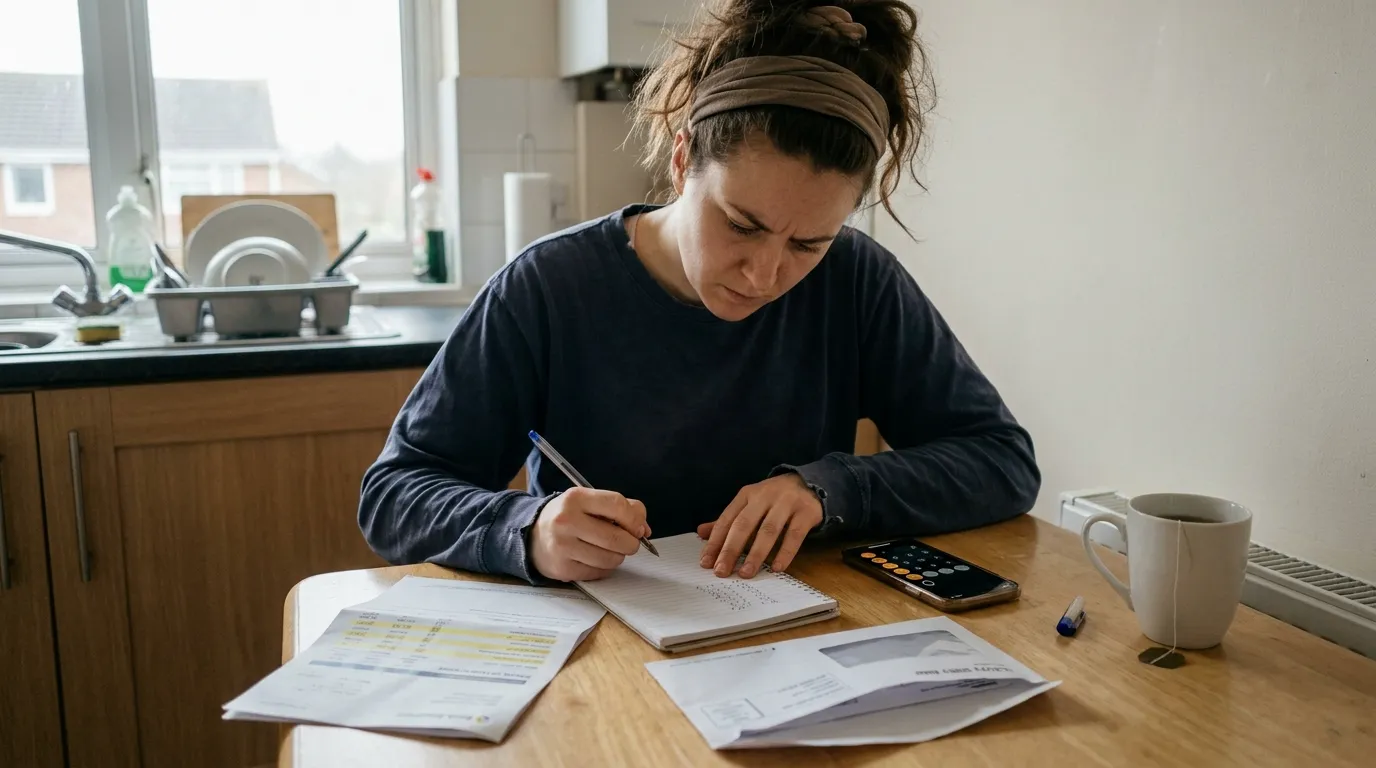
If you’re on a low income, every pound you have is very significant for your day-to-day living. The first, and most important, step towards forming a buffer of savings is acknowledging where your money is going and without accompanying self-judgement, guilt, or shame.
- Bank Statement Analysis: Go through the last three months of bank and mobile wallet statements and bucket your cash flows into clearly defined fixed vs. variable buckets.
- Spotting Hidden Leaks: Find and quarantine low-pound, surplus subscriptions, online memberships, or bank convenience fees that are silently sucking away your low monthly wages with no offer of tangible value.
- Set Up a Tracking Log: Select a tracking method that works for you in terms of tech and lifestyle; this can be a physical pocket notebook, a template for the cloud spreadsheet, or a simple app for budgeting.
Studying Fixed Costs and Variable Costs
If we are looking to make real and lasting savings in a low spending plan, we need to differentiate between the bills that we have no control over (unchangeable) and the bills that we can possibly control and reduce (changeable).
- Fixed Essentials: List all the “must haves” needed to survive, such as housing rent, utilities, and required loan repayments, as well as essential public transport costs to get to work.
- Variable Luxuries: Identify those elements that are within discretionary spending like eating out, entertainment away from the house, buying non-essential clothing items, and buying impulse grocery items.
- Taking a Survival-First Approach: First, make sure that your absolute basic survival items – such as shelter, nutritional food, and required medicines – are fully funded before you allocate any extra money towards discretionary items.
Making Healthier Choices in the Grocery Store and Planning Meals
Unfortunately, food always seems to be one of those most flexible, controllable categories in our household budgets and there is a lot of room for substantial, monthly savings if done strategically.
Power Up Your Strategic Meal Planning
Food waste becomes cash waste – and when you’re on the low income path, you must plan meals in advance for your low income financial management.
- Inventory Your Kitchen: Before going to the store to shop for new foods, check your pantry, fridge, and freezer to prepare recipes with items that you already have.
- Batch Cooking Staple Foods: Cook in bulk and on the cheap and either freeze or portion out easy-to-find, nutrient packed staples such as dried beans, rice, lentils, and roasted root vegetables and use throughout the week.
- Make a Strict Shopping List: List the ingredients that must be purchased for pre-planned week’s meals and stick to the plan!
Even if you’re on a budget, you can find great deals in the grocery store.
The location and type of stores you use will determine how far your food budget will go each week.
- To Embrace Store Brands: Replace highly priced store-bought staples with frequently equally superior foods that are 20% to 40% cheaper and incorporate store brands in your cooking and baking.
- Shop the Periphery: Do more shopping on the edges of the supermarket; stick to the outskirts for more of the fresh fruits and vegetables, raw grains, and more basic proteins, to avoid the more costly packaged or processed convenience snacks.
- Make the Most of Discount Markets: Check farmers’ markets towards the end of the day when prices are slashed, clearance bins for products that are about to expire, and speciality grocery stores that offer discounts.
Saving Costs on Bills and Utilities
The costs of utility bills can accumulate from month to month, but there are easy-to-do conservation measures you can take to cut bills drastically over time.
Energy and Water Saving at Home
Your monthly electricity and water bills can be reduced significantly by simple changes in your usage.
- Plug Removes Vampire Electronics: Vampire electronics are items that still draw electricity and cause a drain on your electric meter when they’re not being used, including chargers, gaming consoles, and appliances.
- Optimising Heating and Cooling: Set the thermostat up or down a few degrees, put on layers in the winter as well as the summer, and open and close windows as necessary rather than everything all the time.
- Repairing Leaks Quickly: Inspect taps and pipes for drip leaks; repair them, because a drip can waste hundreds of litres of water in a few months.
Cut Off Those Digital, Communication Costs
These days, paying for internet and digital communication services can often be equivalent to paying for utilities.
- Audit Entertainment: When auditing entertainment streaming services, if you are going to cancel paid ones, only cancel one at a time, rotating which one to cancel, if that is necessary.
- Downloading Phone Plans: Switch to less costly provider mobile networks that provide quality service and pay-as-you-go plans with less expensive unlimited data plans.
- Tap Free Public Resources: Take advantage of free high-speed Internet access and library books, CDs, and community education at a local library.
Transport & Commuting Strategies
General measures to encourage the growth of public transport and shared mobility. If you don’t choose your mode of transport wisely, travelling from A to B can be a huge chunk on a low income.
It has a big monetary impact such as complete insurance costs, the unpredictable price spikes of petrol, required vehicle maintenance, and parking fees to name a few that can swiftly push an already tight household budget off-balance. Getting on to a public/neighbourhood transport system can also give immediate relief, by switching your trips from motor to non-motor modes.
- Take advantage of local buses and trains: Plan trips in bulk by sewing to the timing of the journeys your local buses and trains make, and buy monthly mass transport passes or bulk ride tickets for a huge volume discount, which means lower costs per trip.
- Carpooling: Plan ahead with co-workers who trust you and/or local neighbours to ride together to work; divide the petrol and toll costs between each person in the car, effectively making your travel expenses half what they are normally.
- Take Active Transport: When the weather and distance allows, walk or cycle for local trips instead of using transport which does not only save you money on the transport fare but will improve your cardiovascular fitness and overall fitness conditions.
The Cheap and Cheerful Vehicle Health Check
If you have to use a car because you have to go to work or because you have family care responsibilities, then it is important that maintenance and running costs are kept to a minimum, as otherwise, you may struggle to keep the car on the road. Lack of proper care and maintenance to a small job always generates monumental, costly problems afterwards.
- Keep tyres at the right level of pressure: Make sure vehicle tyres are properly inflated by checking them once a month; check the recommended pressure level for the tyres on the vehicle tyres.
- Do Your Own Maintenance: Fix simple routine issues without having to hire a garage, such as changing wiper blades, filling up wiper fluid, or replacing the engine air filter.
- Driving Conservatively: Take care to accelerate slowly when starting out and brake wisely so that your vehicle will get the max miles to the gallon and that mechanical wear and tear on your brakes and transmission will be minimised, especially while driving the same car day after day.
Starting an Emergency Fund from the ground up
When you’re on a tight budget, it can be hard even to seem like it’s impossible to save money, but that’s not impossible either it’s a matter of taking smaller steps. Even putting aside change means that you’re storing money in that sense, which will change the relationship you always have with money forever.
What is the relevance of the power of micro savings?
It takes a lot less than £100 per month of available spending power to begin to create some meaningful cash reserve. Micro-savings inherently use technology and tiny actions to build a potential nest egg in the background.
- The Round-Up Method: Take advantage of newer banking applications that round up any amount you spend on your debit card to the nearest pound and transfer the amount to a special savings account.
- Siphoning Windfalls: Do put extra cash that comes your way annual tax refunds, monetary holiday presents, and side hustle pay as right into your emergency fund before you can spend it.
- Automated Small Transfers: View setting up an automatic recurring transfer of just £5 or £10, every day you get paid, so there’s no real willpower to set aside money.
How to develop a Milestone-Based Mindset
When you’ve got some major savings goals, it can be helpful to break them down into small, bite-sized chunks so that you are seeing some progress and staying positive during rough financial periods.
- Targeting Your First £100: Work solely to improve your first small buffer for unavoidable or unexpected expenses like some copayment from a pharmacy or a quick home repair.
- Live One Week of Expenses: To breathe, take steps towards saving the money you would need to cover one week of basic survival expenses in a separate savings “bucket.”
- One Month: If the emergency savings goal isn’t reached, build up and gradually increase your emergency target over several months or years until you’ve reached a goal of putting 1 month of baseline living expenses safely in reserve.
Financial Empowerment Journey
Resourcefulness, patience, and self-compassion are key in managing low income budgets. These changes can be minor, but simple to do, and with a steady decrease in financial stress in your life, you can create a stable comfortable future for yourself.