
What If Your Story Is the Legacy You Leave Behind?
By Yvette Conn, co-founder of LifeBook Memoirs
I didn’t understand what that question really meant until I sat listening to someone else’s life Story.
I’d spent years in the City of London becoming one of a small number of female partners in a stockbroking firm at a time when few women held such positions. It was a different world entirely from the one I work in now – a world I found my way into through a photographer I was asked to interview, early on, before I’d properly found my place at LifeBook Memoirs.
I remember the unfamiliar vertigo of it: a stranger about to share decades of his life for no reason other than that he’d decided it mattered. He had commissioned the book himself, for his family and friends, and he knew exactly why he wanted to do it: he wanted his readers to understand not just his career, but what had shaped him. We met several times over the following weeks, always in his own home, with a plan to explore his life with his memory and my questions. I watched a life organise itself in front of me and began to appreciate what a wonderful experience this was for him.
What struck me most wasn’t the story itself, remarkable as it was, but what the telling of it did to him. At some point, I realised that he wasn’t just recalling his life. He was enjoying it. There’s a particular pleasure in being asked questions by someone who genuinely wants to know the answers, and it’s rarer than it should be – most of us are only ever half-listened to. The photographer talked, and I listened attentively. I watched as he recalled things from his own memory that he hadn’t thought about in years, not because they’d been forgotten but because nobody had ever asked.
The finished book really mattered to him, but what mattered more was watching his children and grandchildren read it and discovering things they had never known – not the broad strokes of his career, but the parts of him that lay underneath it and the decisions he’d made along the way. Lives, I realised, are mostly invisible to the people who live around them, unless someone takes the time to ask and someone else takes the time to listen. My commission to interview the photographer was supposed to be a one-off. Afterwards, I went back to my husband, Roy, with a list of ideas about how the process could work better. He said, “If you’ve got so many good ideas, why don’t you come and join us?” I turned up at the office the next day and never left.
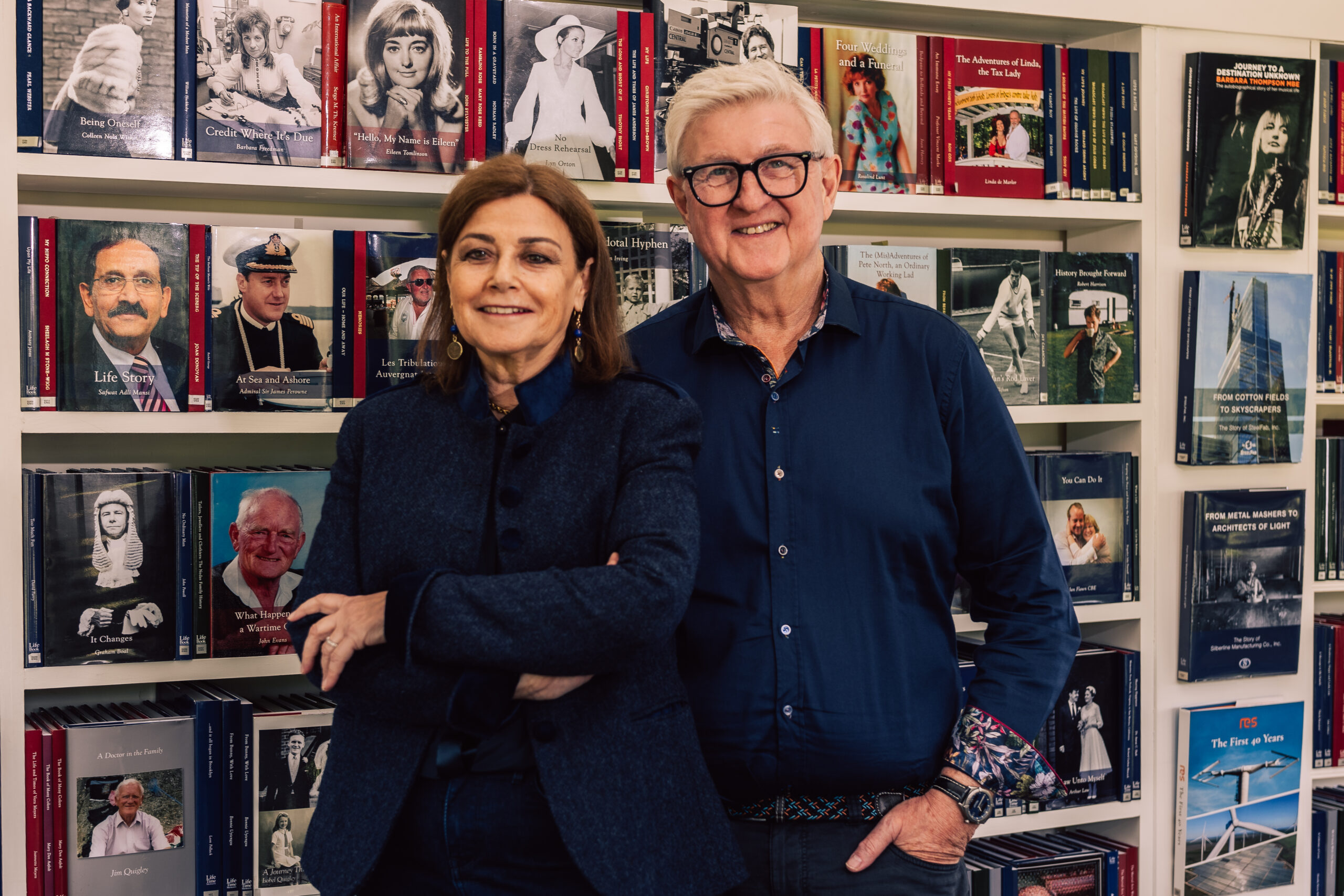
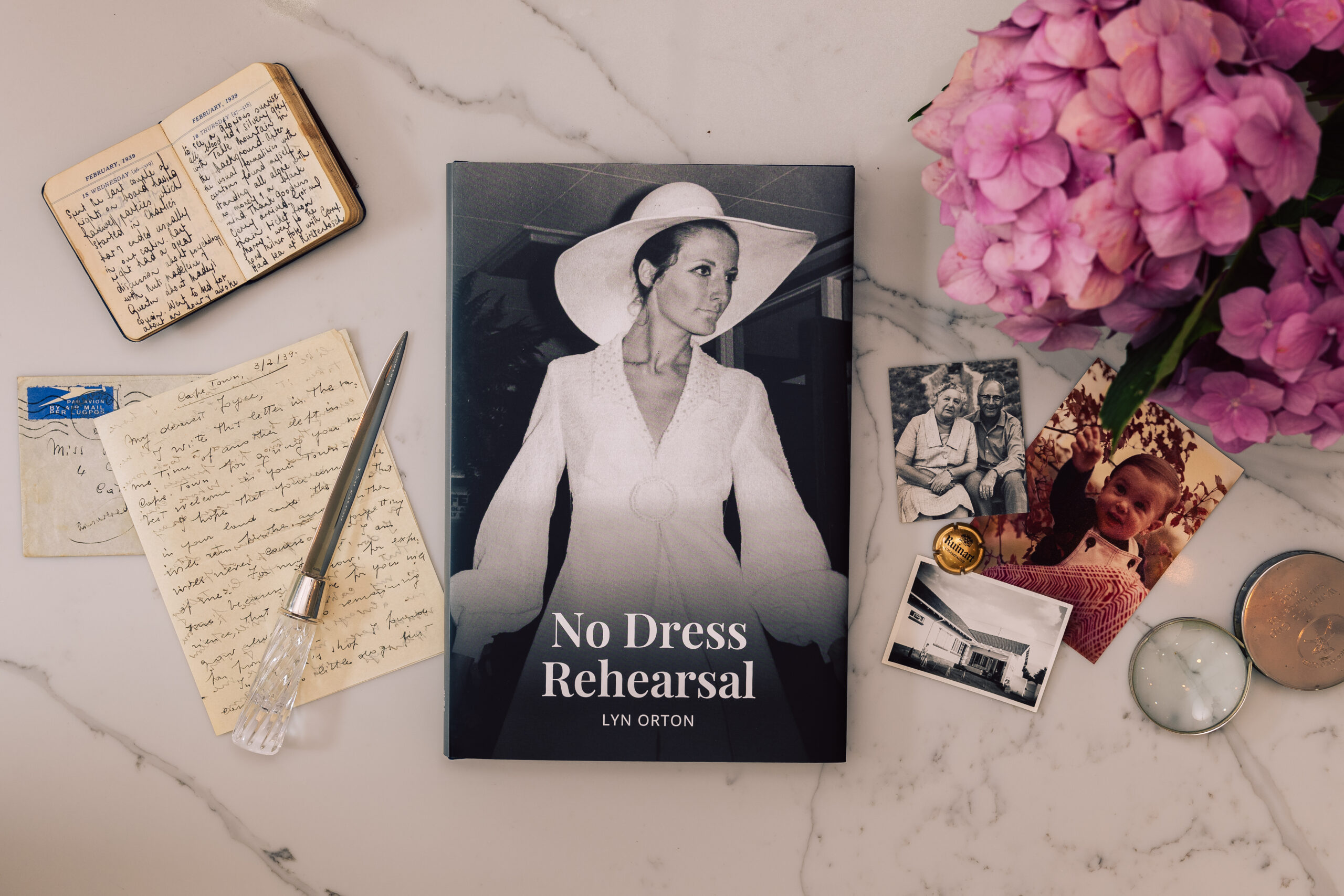
With Roy, I’m now co-founder of LifeBook Memoirs. Together, we create private memoirs for individuals and families, and, through our custom OPUS division, legacy books for family businesses and tribute books built from the memories of loved ones. Almost everyone who sits down with us starts the same way: certain their life hasn’t been interesting enough to fill a book. Not one of them has been right.
I’ve watched this pattern often enough to trust it. What families lose, when nobody asks, isn’t the facts; it’s the context the version of events that only existed in one person’s memory before someone else thought to write it down. Most of us assume there will be time to ask the important questions later, or that the people we love already know what matters. Often, neither is true. So, what I’ve seen a LifeBook give a family, time and again, isn’t just a record; it’s proof that those who came before them were fascinating people, not just names on a family tree.
This isn’t only about extraordinary lives, either. We can all make the mistake of assuming that legacy books are only for people who’ve done remarkable things, but the questions that matter most were never really about achievement – they’re about what someone carried, what shaped them and who helped them along the way. Such things matter as much for a life spent quietly as for one who lived in the public glare. What I’ve come to believe, after years of this work, is that it mostly comes down to relationships: the people around you and what you shared.
The photographer I interviewed didn’t wait. He commissioned his book while he could enjoy watching his children read it and see what it meant to them. That’s the part people miss when they imagine the writing of a life story as something for their ‘twilight years’. It isn’t. It’s for now, while there’s time to be surprised by the things your own children never knew.
Connect at lifebookmemoirs.com | yvette.c@lifebookmemoirs.com