
The Day I Stopped Saying Sorry
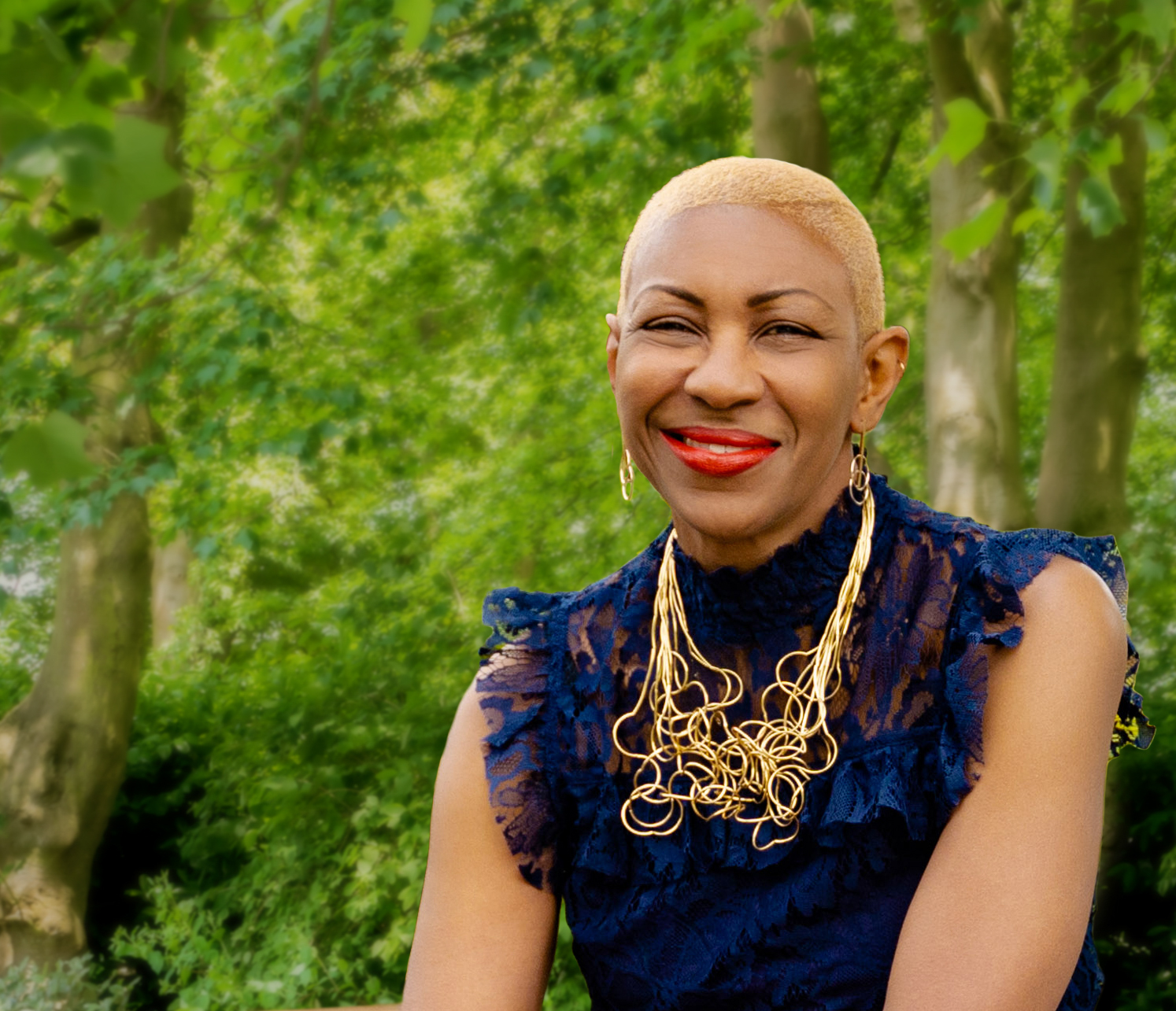
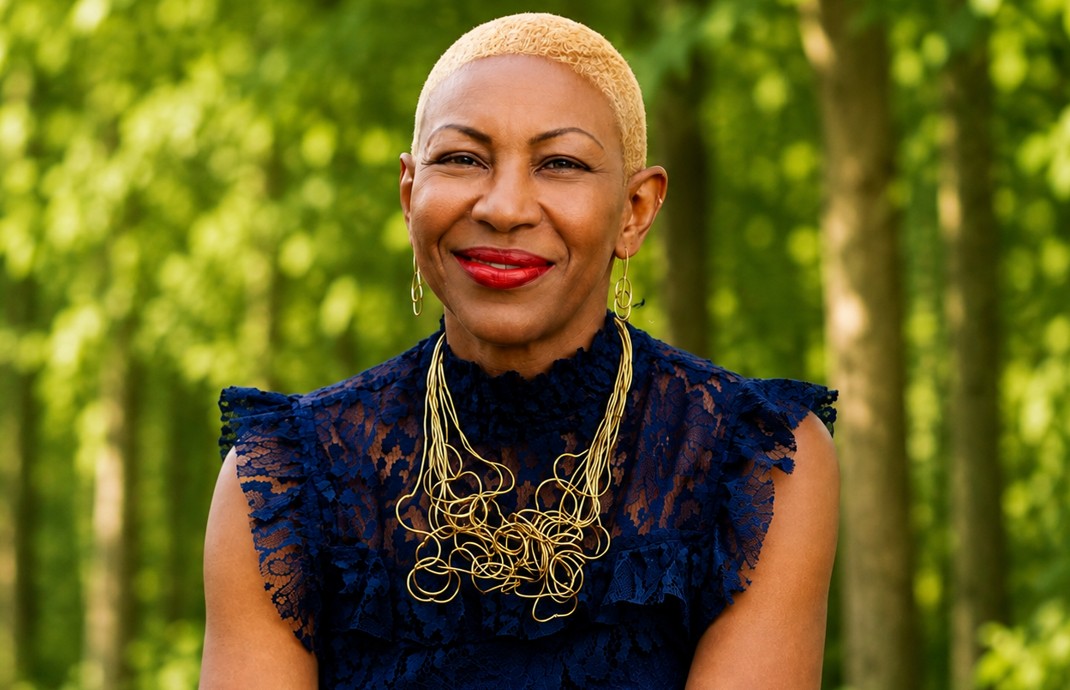
By Yvonne Hector-John
There was a moment, just before I walked on stage at an International Women’s Day
event in 2017, when I genuinely believed I was going to die. Not from the lights. Not
from the audience. From the truth I was about to tell.
I was forty-five. I had been carrying two stories for over twenty years. The
first: I had ended two pregnancies in my twenties – neither planned, neither in
relationships that welcomed them. The second: when I finally tried for a baby in my
early forties, my body did not cooperate. patting me on the back with words of
encouragement – “keep trying.”
I had told myself for years that one of these stories cancelled the other out. That
having previously said no to motherhood, I had forfeited the right to grieve when
motherhood quietly, finally, said no to me.
I stood backstage hyperventilating, convinced that the moment I named both stories
aloud, every woman in that room would decide I deserved this. Somehow, I took a
breath. I walked on. I opened my mouth. And I told my truth.
What happened next is the reason I am still here, still writing.
A woman came up to me afterwards and said, me too. Then another. Then another.
The truth, once spoken, made room for theirs.
That was the day I stopped saying sorry for not becoming a mum.
Not in any complete way. Not for ever. Shame doesn’t dissolve on a stage. But
something cracked open. Something I had been bracing against for over twenty years
quietly let go.
Here is what I have come to understand about being a childless not by choice (CNBC)
woman in a world that prefers the miracle baby ending. Our stories are not allowed
to end where they actually end.
When I was diagnosed with unexplained infertility, the questions that followed were
never about my grief. They were about my next move. Have you tried IVF? Have you
considered adoption? Have you thought about using donor eggs or surrogacy? As
though grief were a pothole on the road to motherhood, and the only acceptable
thing to do with it was to drive faster.
I did not want to drive faster. I wanted to lie down on the road and cry.
But lying down was not in the script. The script demanded resolution. A baby. A
breakthrough. A reframe. “Everything happens for a reason”. “God knows best”.
“You’d have made a great mum” – well-meaning and yet devastating platitudes.
The script does not have a place for the woman whose IVF stopped at eleven rounds.
It does not have a place for the woman whose adoption fell through at the very last
moment. It does not have a place for the woman whose partner did not arrive in
time, or the woman, like me, whose body said no, or the woman who had to grieve a
future she had once been ambivalent about.
So, we apologise.
We apologise for our grief, because it makes others uncomfortable. We apologise for
our presence at baby showers, because we make the air heavier. We apologise for our
absence at family gatherings, because we are that person who could not bear another
round of “when’s it your turn?” We apologise to women with children, for not being
one of them. We apologise to our partners for the baby we could not carry to term.
We apologise to women without children, for not being further along the road than
we are. We apologise, mostly, to ourselves – for taking up so much space with a loss
the world refuses to call a loss.
In 2020, I had a hysterectomy. They told me my “diseased” womb had to come out –
fibroids, adenomyosis, years of pain. In preparation for the surgery, I sat down and
wrote a goodbye letter to my womb. I told her she had let me down. I told her I
forgave her. I told her I was angry. I told her thank you. All truths being held at once.
It was the first time I had let myself say all of those things in the same breath. The
page held them. It did not ask me to choose.
I was forty-eight by then. I had written my book Dreaming of a Life Unlived. I had
stood on stages apologetically telling my whole story, including the parts I had once
been certain would make me unlovable. And still – even then – there were rooms I
walked into bracing for the question: Do you have children? as the conversation
turned to school runs and children’s milestones I couldn’t quite bear to hear. There
were Mother’s Days and other family holidays I survived by hiding under the duvet.
This is what I want women to know who are still in that bracing.
You do not have to wait until you are healed to stop apologising.
Healing hasn’t got a finish line. I am not on the other side of grief, holding the door open
for you to walk through to a place where it no longer hurts. I am on the road, like
you, a few steps further along, looking back. I still feel the ache. I still notice the
(sometimes unwelcoming) rooms I do not belong in. The grief did not end. My
relationship to it changed.
What changed is this. I stopped treating my grief as evidence against me. I stopped
treating my history as something I had to earn forgiveness for. I stopped asking the
world to validate my loss before I was allowed to feel it.
And the most surprising thing happened. The shame, which had been so loud for so
long, became quieter. Not gone. Quieter. She still shows up – but now I know what
she is. She is the part of me that learned, somewhere along the way, that I was only
allowed to grieve if my story ended with a baby in my arms.
It does not. And I am still here. And so are we.
At another event, a fifty-year-old stood up and said, “I am childless…” and stopped
halfway through the sentence because she had never said those words out loud
before.
This is why I run Healing Hearts Circles. This is why I wrote the book. This is why I
support women with the unrealised dreams of motherhood. This is why I keep telling
the whole story, terminations and all. Because somewhere, right now, there is a
woman who believes her story does not deserve to be told, who believes that she
needs to apologise for not becoming a mum, for living a life away from the expected
norm. And somewhere, right now, there is a room of women waiting for her to stop
apologising.
So, I will leave you with the question I had to learn to ask myself, and the question I
now ask the women who find their way to me:
What part of your story have you been waiting for permission to tell?
You do not need it. You never did. The permission was always yours.
You are not asking the world’s forgiveness for being here. You are not asking to be
fixed. You are not the cautionary tale at the end of someone else’s miracle.
You are the story.
Own it.
Tell it.
And do not say sorry for any of it.
Bio;
Yvonne Hector-John is the author of Dreaming of a Life Unlived: Intimate
Stories and Portraits of Women Without Children, a psychodynamic therapist, and
public speaker centring the lived experience of women who are childless not by
choice. A graduate of the Gateway Women Plan B Mentorship Programme, she
facilitates Reignite Weekends, is an ambassador for World Childless Week, and
founded Healing Hearts Circles, creating rooms where women stop apologising.
www.findingmyplanb.com
IG @y.vonnej
Content Page Blurb
A deeply honest reflection on grief, identity, and the quiet courage it takes to stop apologising for a life that did not follow the expected path. Yvonne Hector-John gives voice to the unspoken experience of women who are childless not by choice, and reclaims the right to exist without explanation.
Pull-Out Quotes
“I stopped treating my grief as evidence against me.”
“You’d have made a great mum” well-meaning and yet devastating platitudes.”
