


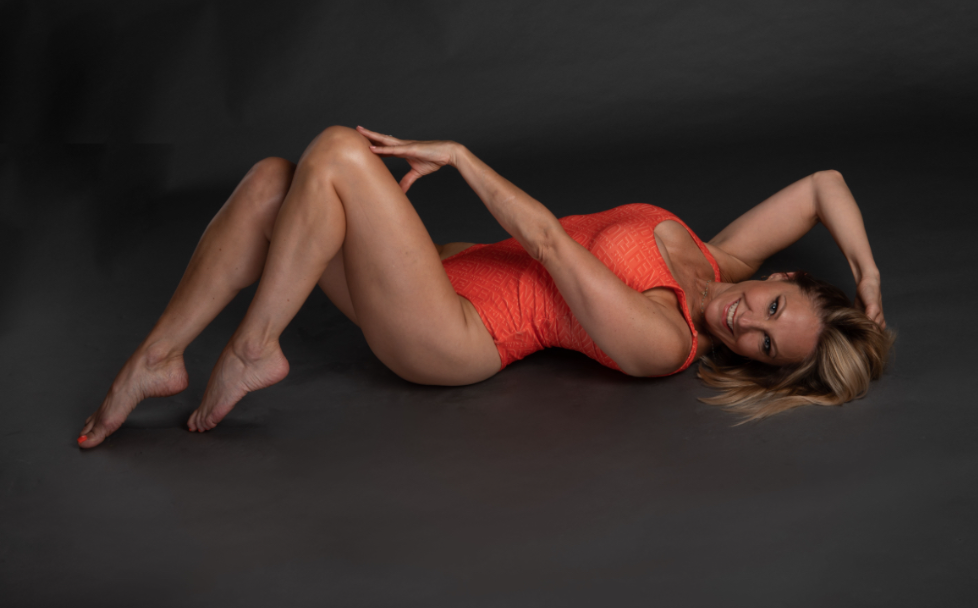
The Missing Link to Female Power
For years, I lived in a body that felt disconnected.
As a fitness instructor, I spent my life moving, teaching, and helping women feel strong—yet I had never been taught about my own pelvic floor. That is, until I started leaking during my own classes. I remember laughing it off, assuming it was just part of being a woman. No one had ever mentioned that this was something I could heal.
Determined to find answers, I trained as a pelvic floor coach. But even then, something still felt… missing. While I was teaching women how to prevent leaking and strengthen their core, I was completely shut off from my sensuality, my sexuality, and my own body. Years of past trauma, medical procedures that had left me feeling “touched out,” and birth complications had created an invisible barrier between me and my pleasure.
I realised I had been having sex the way I had seen it in films—performative, disconnected, something to give rather than experience for myself. No wonder I was struggling. No wonder it felt like just another thing on the to-do list.
When my relationship ended, I knew I had to face the part of me I had spent years avoiding: my sensual, sexual self. Sure, I had a business, I was a mother, I was busy—there was no time for sensuality, right? But deep down, I knew if I didn’t reconnect with that part of me, I would repeat the same pattern in my next relationship. Passionate at first, then fizzling out, leaving me making excuses, feeling numb, avoiding intimacy.
That’s when I discovered Tantra—real Tantra for women. And when I went deeper into the emotional memory stored in the pelvic floor, everything changed.
The Pelvic Floor: Where We Store Our Pain, Power & Pleasure
The pelvic floor isn’t just a group of muscles—it’s the keeper of our deepest emotions. It holds the stories we’ve buried, the outdated beliefs passed down through generations, the pain of loss, shame, fear, and trauma (medical, sexual & emotional).
I often ask my clients:
- Who taught you pleasure?
- Who showed you how to have sex for a woman’s body?
- Did you ever go to “Female Orgasm School” or were you just expected to figure it out?
Most of us were raised with sex education that revolved around either making babies or avoiding pregnancy. We were taught to “keep our legs closed” to stay safe, to dress in ways that wouldn’t attract the wrong kind of attention, to be careful about our reputations.
And if you grew up in the 80s or 90s? The message was clear: sex was dangerous. AIDS, teen pregnancies, caution, fear. No wonder we struggle to fully embrace the parts of us designed for pleasure.
If you want to take away a woman’s power, make her fear the parts that make her a woman.
- Her bleed.
- Her vagina.
- Her breasts.
- Her womb.
- Her menopause.
And that’s exactly what has happened.
Pelvic Floor Dysfunction: The Hidden Epidemic No One Talks About
Many of my clients have undergone medical procedures that were deemed “routine.” A coil fitting in a lunch break leaving them to pop a few painkillers & return to the boardroom unable to say what they have just endured. Putting on a brave face & continuing.
Then there’s the women who leak. Who cross their legs when they sneeze, laugh, or jump. Who assume this is just what happens after childbirth or with age.
Some try Kegels (or as I like to call them, “pussy-ups”) religiously, only to see no results and believe their body is weak.
But let’s pause for a moment.
The pelvic floor is the body part that holds everything up.
The body part that can birth a melon and return to its normal size.
The body part that bleeds and yet does not die.
The body part that can grant a woman countless orgasms.
Weak? No.
Lacking education? Yes.
When a woman feels unsafe in her own body, it impacts everything. If she can’t trust her body to hold when she sneezes or coughs, how can she feel safe to fully surrender into pleasure?
Sure, we talk about grounding—walking barefoot in the grass, cold water swimming, meditating on our third eye. But if you are disconnected from your pelvic floor, you are disconnected from your safety, your sexuality, and your power.
It’s like a rollercoaster with a loose harness—you’re never quite sure if you’re secure.
So you stay in your head.
Living in the Mind Keeps You Disconnected from the Body
Many women live their lives in their minds because it feels safer than living in their bodies.
I liken this to owning a 10-bedroom mansion, yet feeling safest locked away in the attic.
You might dabble in healing practices, try different self-care rituals, do all the things that should help. But if you’re not addressing the seat of your power—your pelvic floor—you will always feel like something is missing.
You will always feel like a guest in your own body.
Reclaiming Your Feminine Power
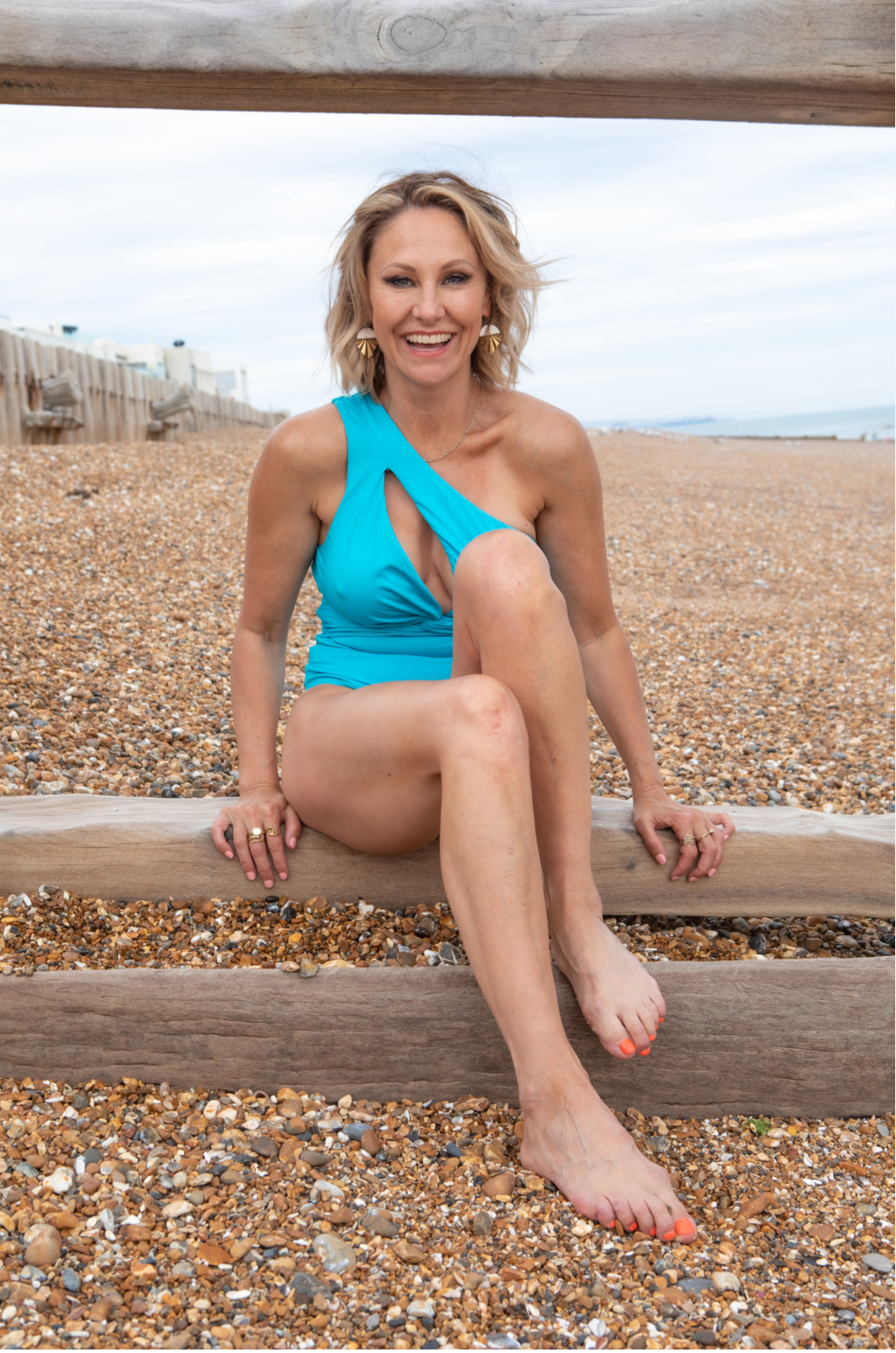
The Missing Link to Female Power
With my work, I help women move back into their full, embodied selves.
Imagine unlocking that attic door and walking through every room in your body—fully inhabiting it, feeling at home. At your very core, there is a space designed for you.
A sanctuary.
A luxurious, delicious, blissful space.
A room with the softest bedding, a breathtaking view, a feeling of peace and sensuality so deep it grounds you.
I help women claim this space.
Own it.
Live in it.
Because when you do, everything changes.
Your confidence.
Your relationships.
Your sensuality.
Your ability to manifest.
No one enters your temple without wiping their feet and bowing to the goddess within.
The Missing Link in Female Empowerment

Before working with me, women struggle with pelvic floor issues, low libido, body confidence challenges, outdated beliefs about sex, and difficulty reaching orgasm.
And yet, we are told to push through. To be strong. To be empowered.
But how can we be truly empowered when we are disconnected from the very thing that makes us women?
It’s like working on a puzzle—assembling every piece of confidence, success, and self-love—only to realise there are a few missing pieces.
And without those pieces?
The picture will never feel whole.
The pelvic floor is the missing link.
And once you unlock it, you don’t just heal—you transform.

