



What happens when the peaceful one finally breaks or when you wake up unable to move, even though everything seemed fine the night before?
Different stories. Same imperceptible erosion, until the wake-up call finally comes.
Both began with women praised for their resilience. But that resilience was really a quiet endurance, masking fragility and chronic anxiety beneath the surface. What looked like strength was actually avoidance, until our bodies called for a reckoning.
The slow unravelling doesn’t always look like a crisis. My client, one of the most accomplished leaders I coach, described her breaking point: “One morning, I woke up and I simply couldn’t move. No warning. I went to bed fine, but the next day, I was paralysed.” The worrying thing is that this perceptive, sensitive woman had not felt anything amiss at all, until her body delivered its ultimate signal, one she was sure to listen to.
Her story brought me back to my own moment of starting to crack. After a decade of practising Nonviolent Communication, I found myself slamming my hands on the boardroom table. Hard. The room went eerily silent. It was so out of character with my usual gentle demeanour that even I was shocked by the force of my own desperation to be heard and taken seriously.
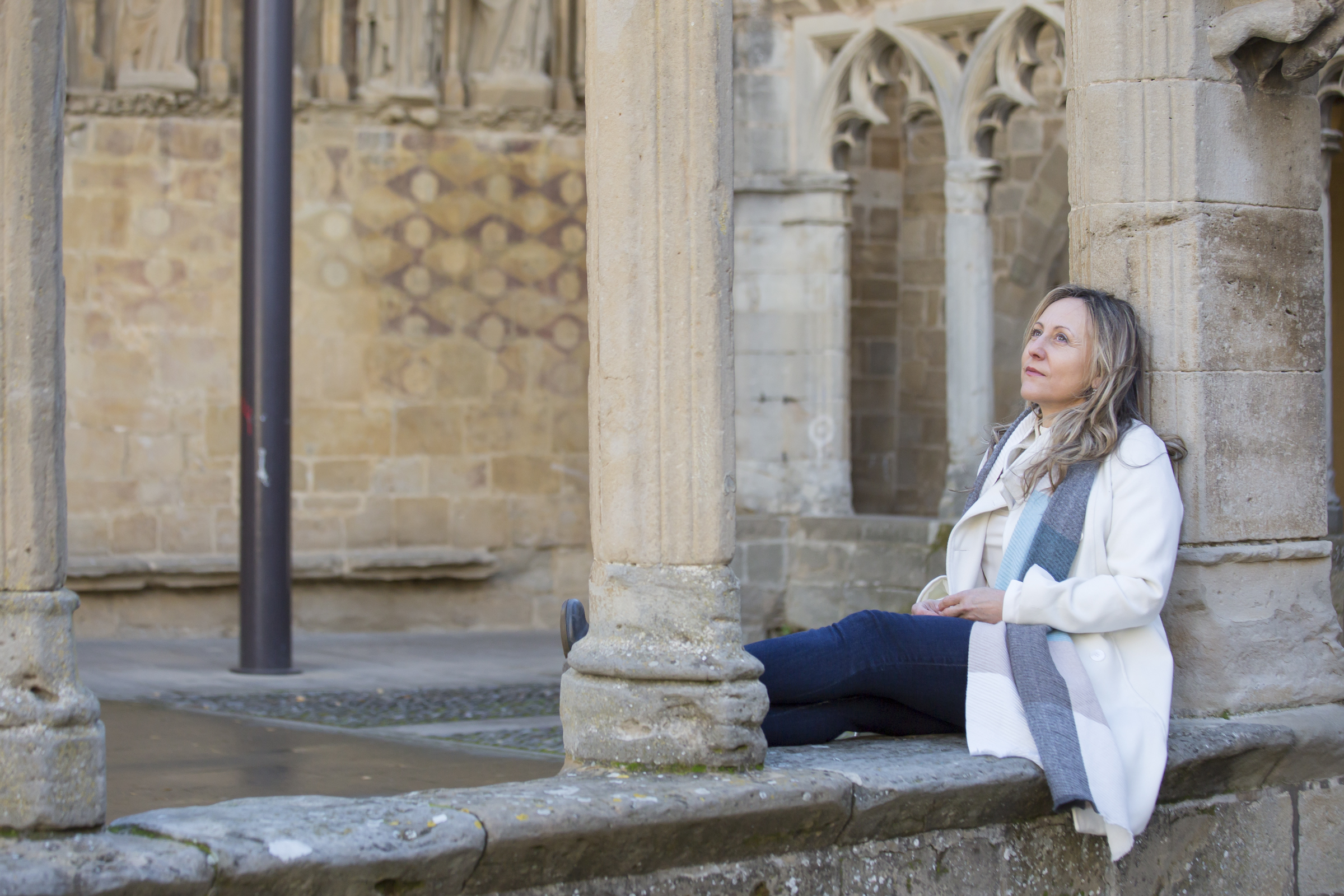
My breakdown came after weeks of escalating tension, and my inability to muster the confidence to advocate for myself in a way that reflected my values. My inner stress built like pressure in a volcano. Weeks after slamming that table, things spiralled,and I faced false accusations and public slander from those same male board members. No aggression from me this time. Instead, I disappeared into silence, dissociation and paralysis responses that felt safe but offered no shelter. My mind felt like it might fragment.
Neither my client nor I saw it coming. Both of us were performing brilliantly under pressure right up to the moment we couldn’t. These weren’t failures of character. They were our bodies’ desperate rebellion against months of swallowing our truth, overriding inner signals, and operating in what I now recognise as crisis leadership mode.
The Dangerous Myth of “I work best under pressure“
My client’s collapse seemed to come from nowhere, until we traced it back. She had led teams through months of layoffs with “clarity and calm.” Restructuring, high-stakes presentations to the new CEO, a destabilised team; each challenge met with what we celebrate as resilience and efficiency.
After months of medical tests, doctors found nothing physically wrong in her body. Except one doctor noted her back showed the physical pattern consistent with having been in a car accident.
How does “I work best under pressure” become a car accident spinal pattern with no physical trigger?
“Any changes the day before?” I asked. She shrugged. “Well, I was selling my house and it fell through that night.” Layered on top of the restructuring, the uncertainty, holding other people’s overwhelm, the world’s chaos… It was the final straw. And it was her body not her mind that finally registered the mental-emotional load, reacting as if she’d been in a collision. Staggering, and increasingly common.

Is Your Culture Rewarding Burnout?
In many leadership cultures, coolness under pressure is revered, even expected regardless of how long the pressure lasts or how intense it is. We praise toughness and reward those who suppress emotion in favour of performance.
In high-pressure moments, most of us do think more clearly. We enter crisis mode, a heightened state that pumps stress hormones through our bodies, making us laser-focused and ready for action.
It can be exhilarating.
What nobody is asking is: “What is it doing to your body and wellbeing?”
Relying on pressure for performance isn’t a sustainable leadership presence; it’s your nervous system in emergency override, like flooring the gas pedal day after day and expecting the engine not to burn out.
What we call “resilience” is often closer to slow-burning self-neglect.
The Science of Performance Under Pressure
Acute stress releases adrenaline and cortisol, hormones designed to be in our systems for moments, not months. When they are chronically elevated, the consequences cascade: disrupted sleep, weakened immunity, and increased risk of depression, anxiety, autoimmune and cardiovascular disease.
Your brain suffers too. Sustained stress has been shown to diminish volume and connectivity in the prefrontal cortex (impairing decision-making, memory, emotional regulation and higher thinking) while enlarging the amygdala, making you more reactive over time.
The body whispers before it shouts, offering subtle cues to course correct. But when those signals go unheeded, it eventually insists you stop. The problem is, most of us never learned this language.
The Beautiful Path Back to Yourself
For my client, it was a wake-up call. She stopped sidelining her own needs and began listening earlier, recognising the signs of overload and grounding herself before the spiral.
“I used to think clarity came from pressure,” she told me. “But I was operating at a fraction of what I’m capable of, and it was unhealthy. When I’m calm and centered, I access deeper insight and creativity.”
Her words echoed my own journey. Many of us learn early to smooth edges, to be the peacekeeper who never disrupts the harmony. But true kindness isn’t silence, it’s honesty wrapped in compassion. Real peace doesn’t come from avoiding difficult conflicts; it emerges when we dare to speak our truth with care.
The woman who slammed her hands on that table was crying out for something she didn’t yet know how to give herself: the permission to be human, to have needs, to honour her own experience and ideas as valid and worthy of respect.
For me, radical self-compassion became the foundation of everything that followed. I learnt to treat myself like a beloved friend, slowly becoming my own ally. It meant developing practices that seemed almost rebellious in our productivity-obsessed culture: taking breaks before I was exhausted, speaking up instead of silently accommodating everyone else.
My sensitivity which I had long seen as a liability became my greatest leadership asset.
Your Still Point: Where Confidence Lives
Years later, I would face a situation that tested everything I had cultivated. I was leading a workshop with 65 participants when a man began interrupting repeatedly, aggressively challenging my approach. You could hear a pin drop as the room watched to see how I would handle the direct confrontations.
This time, I was ready.
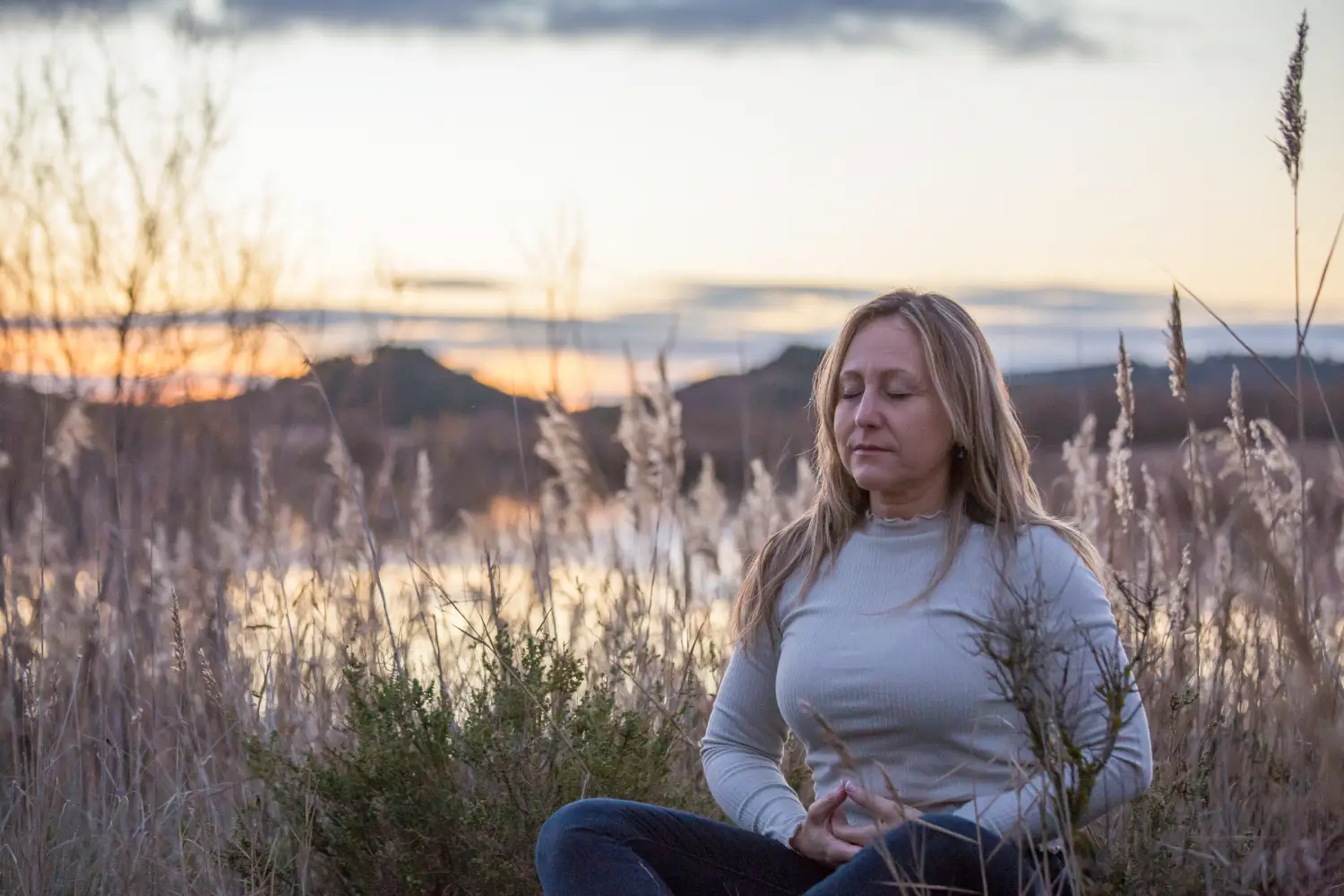
Instead of freezing or fighting, I found that I still point inside myself the place of calm clarity I had nurtured through countless small moments of self-compassion. I could feel the familiar sensations arise: the quickened heartbeat, the tightening chest. But now I knew how to stay present with these feelings without being hijacked by them.
I responded with both firmness and empathy, guiding everyone toward our shared purpose. The impact was profound. Participants asked me to teach them this gentle assertiveness. I realised how rare it is to witness grounded, authentic power that unites rather than divides.
The version of me who had erupted with frustration at the boardroom had learned to channel that same passionate energy into conscious, powerful presence and effective action.
Building Unshakeable Confidence from Within
Real confidence doesn’t come from having all the answers or looking the part. It flows from staying connected to yourself when conditions become challenging and this is a skill you can develop.
Each conscious pause strengthens your brain’s “inhibitory control” being in control of your responses. Every time you honour your body’s signals, speak your truth with care, or choose presence over pressure, you build unshakeable confidence.
Here’s how to begin finding your still point:
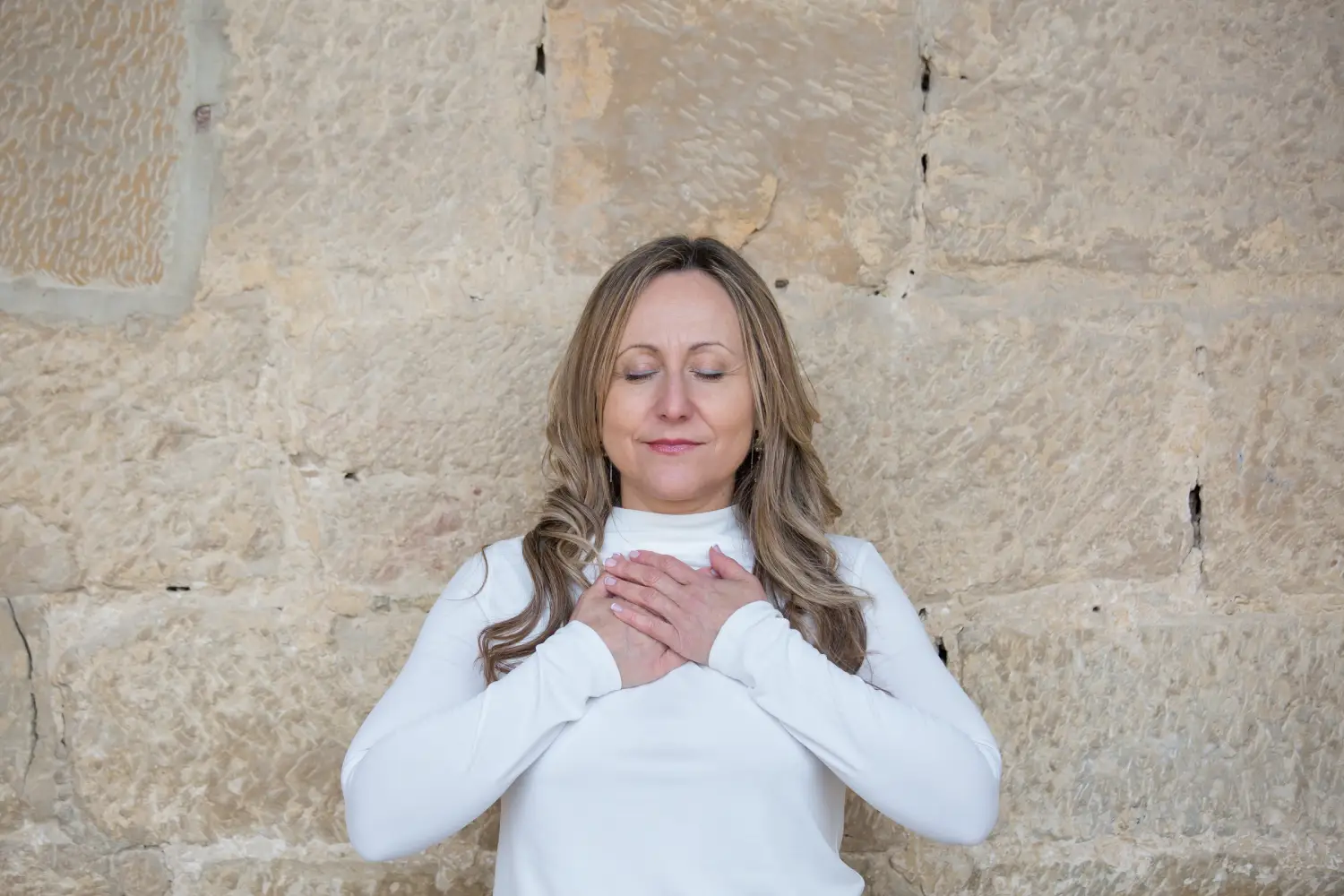
When stress mounts: Take 2-3 minutes of complete stillness. Place a hand on your heart. Breathe consciously, noticing every sensation. Suspend the question: “What’s truly essential right now? What matters to me?” Wait for clarity to emerge.
During transitions: To interrupt the buildup of chronic tightness, scan your body for tension regularly. Consciously use your breath to invite your shoulders, jaw, and belly to let go of unnecessary tension. Melt into acceptance of what is.
Honour your need for renewal: Go beyond productivity breaks. Pause for mindful moments in nature, while moving. Schedule in regular renewal times. For deeper restoration, join my free seasonal virtual mindfulness weekends for leaders.(https://www.natibeltran.com/what/weekend-renewal)
The Ripple Effect of Self-Love
You can’t afford to ignore your inner intelligence. Your body isn’t your enemy in leadership, it’s your most reliable guide to authentic action.
The sensations you’ve been taught to override are signposts back to presence. The sensitivity you once saw as weakness is actually your doorway to wisdom.
Confidence grows each time you meet challenges with conscious presence rooted in your values rather than your fears, responding with intention rather than impulse. On the other side of that deep self-honouring lies a quiet, unshakable power.
Fuel Change, Not Burnout. The world needs the full, grounded expression of who you are.

